
Scaffold Plank Load Capacity Guide is essential reading for contractors, site engineers, safety officers, and procurement professionals responsible for selecting safe working platforms. Whether you’re working on residential construction, industrial plants, bridges, metro rail, airports, or refinery projects, understanding scaffold plank load capacity helps improve worker safety and maintain compliance with industry standards.
Overloading scaffold planks, exceeding span limits, or using damaged working platforms can result in excessive deflection, instability, and serious site accidents. This guide explains scaffold plank load capacity, duty ratings, span recommendations, OSHA requirements, inspection checklists, and simple load calculation methods to help you make informed decisions on every project.
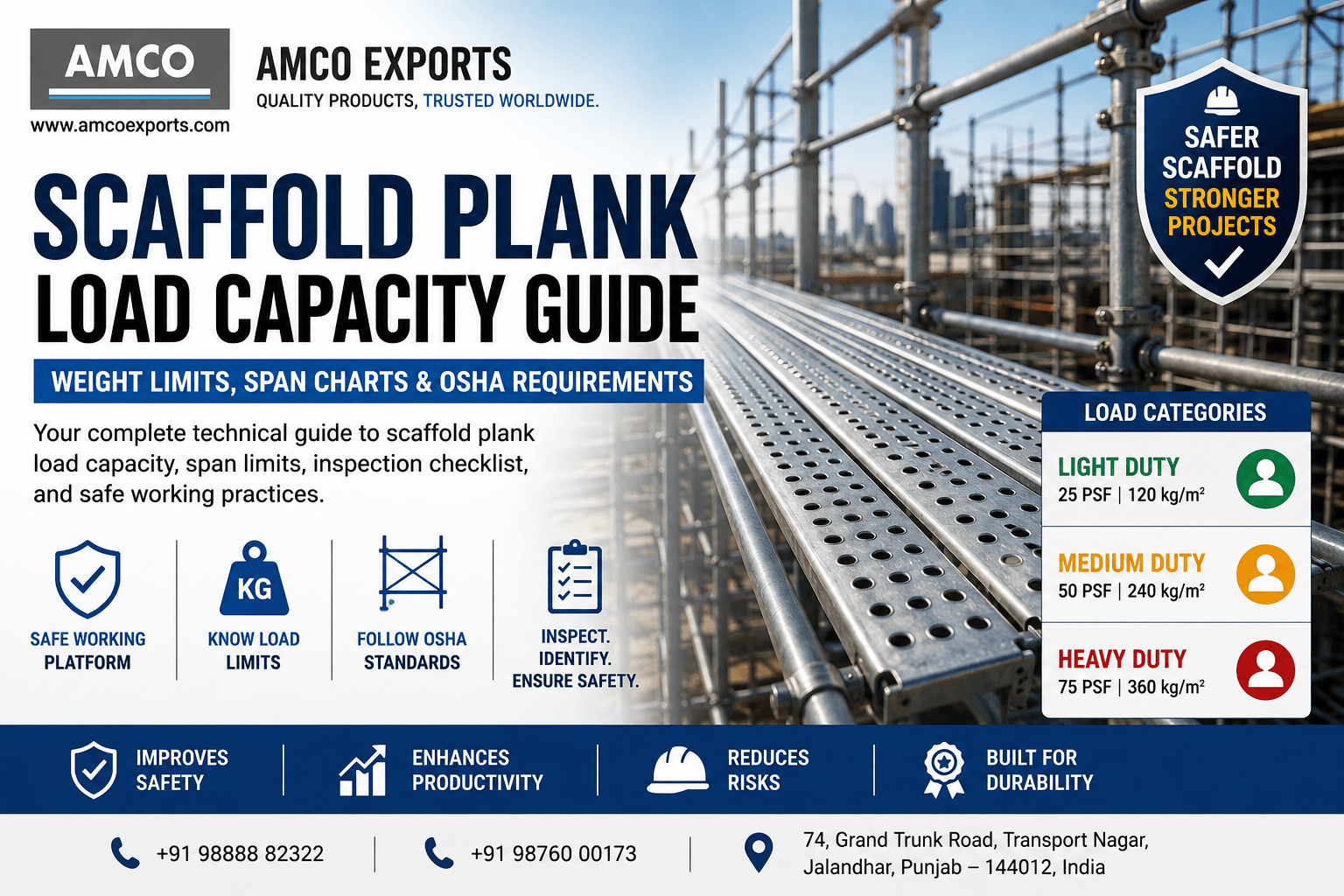
Figure 1. Scaffold Plank Load Capacity Guide covering weight limits, span charts, OSHA requirements, inspection practices, and safe working load recommendations.
What Is Scaffold Plank Load Capacity? (Quick Answer)
Scaffold plank load capacity is the maximum safe load a scaffold plank can support, including workers, tools, and construction materials, without exceeding its design limits. Load capacity depends on the plank material, unsupported span, scaffold system, load distribution, and applicable safety standards. Always follow the manufacturer’s recommendations before using any scaffold plank.
Scaffold Plank Load Capacity at a Glance
✔ Light Duty: 25 psf (120 kg/m²)
✔ Medium Duty: 50 psf (240 kg/m²)
✔ Heavy Duty: 75 psf (360 kg/m²)
✔ OSHA Recommended Safety Factor: 4:1
✔ Recommended Plank Overhang: 6–12 inches
✔ Inspect Scaffold Planks before every work shift
Why Scaffold Plank Load Capacity Matters
Choosing the correct scaffold plank is more than selecting a platform that fits the scaffold. Every plank must safely support workers, tools, and materials while maintaining structural stability. Using scaffold planks within their intended load capacity helps:
- Improve worker safety
- Reduce scaffold failures
- Prevent excessive plank deflection
- Maintain scaffold stability
- Meet OSHA and project safety requirements
- Extend scaffold service life
- Reduce maintenance costs
Even high-quality steel scaffold planks can become unsafe when overloaded or installed incorrectly.
Scaffold Plank Load Categories
Scaffold planks are generally classified into three working load categories based on their intended use.
| Duty Rating | Load Rating | Approx. kg/m² | Typical Applications |
|---|---|---|---|
| Light Duty | 25 psf | 120 kg/m² | Painting, inspection, maintenance |
| Medium Duty | 50 psf | 240 kg/m² | General construction, masonry |
| Heavy Duty | 75 psf | 360 kg/m² | Industrial projects, heavy material handling |
Always verify the manufacturer’s specifications before selecting scaffold planks for a project.
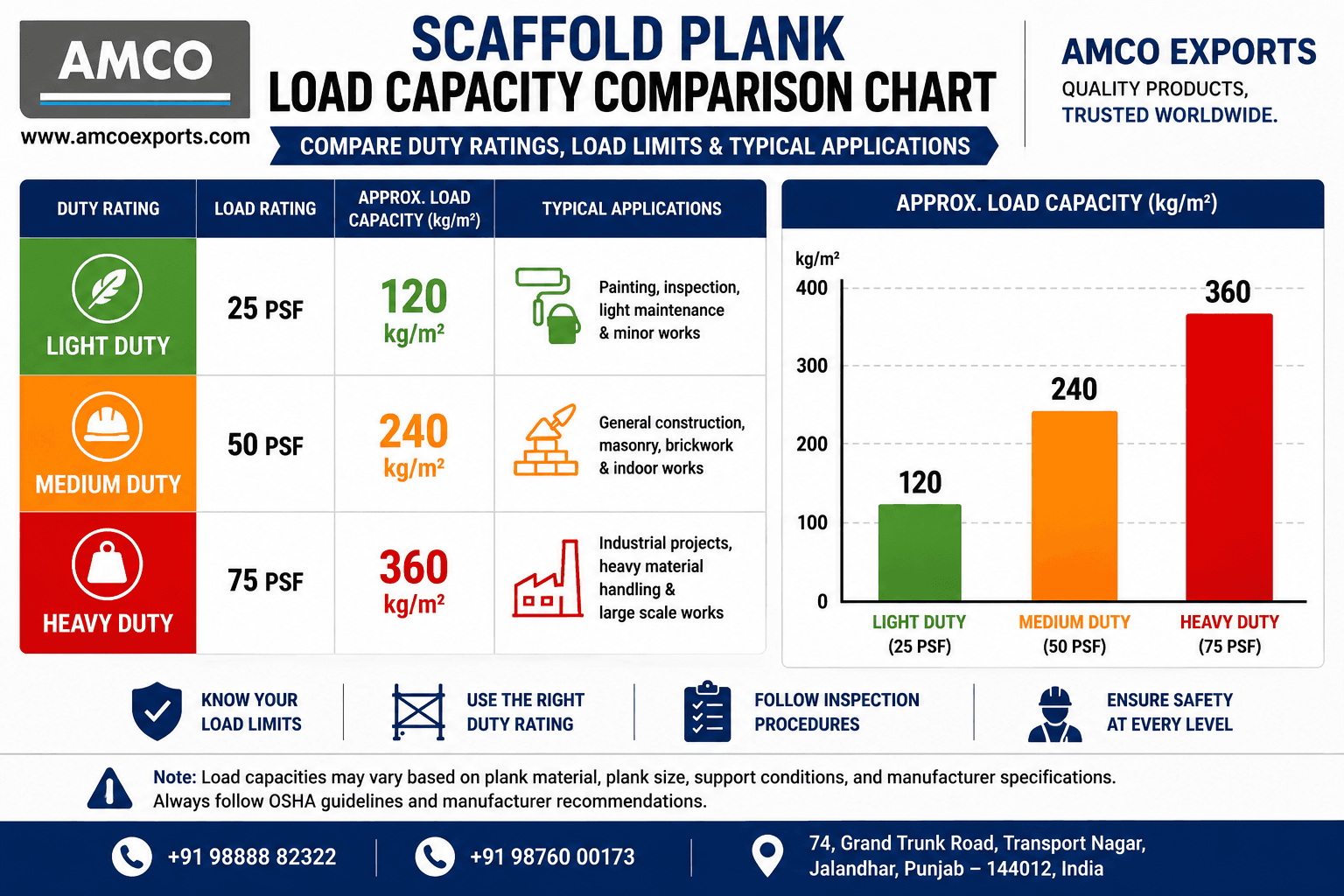
Figure 2. Comparison of Light Duty, Medium Duty, and Heavy Duty scaffold plank load capacities with common construction applications.
Scaffold Plank Span Guidelines
The unsupported distance between scaffold supports directly affects the safe working load of a scaffold plank.
| Unsupported Span | Recommended Duty |
|---|---|
| 6–7 ft | Medium to Heavy Duty |
| 8 ft | Medium Duty |
| 10 ft | Light Duty |
As the unsupported span increases, the allowable working load decreases. For safety, scaffold planks should generally extend 6 to 12 inches beyond their end supports unless otherwise specified by the manufacturer.
OSHA Scaffold Load Requirements
Construction projects following OSHA requirements should ensure that scaffolds are capable of supporting:
- Their own dead weight.
- At least four times the maximum intended load (4:1 safety factor).
- Proper support spacing.
- Secure installation before use.
- Daily inspections and additional inspections after severe weather.
Scaffold Load Calculation Formula
Understanding scaffold load calculations helps ensure that working platforms can safely support workers, tools, and construction materials. While exact calculations should always follow the manufacturer’s specifications and project requirements, the following method provides a simple way to estimate scaffold bay capacity.
Step 1: Calculate Bay Area
Bay Area = Length × Width
Step 2: Calculate Safe Working Load
Safe Working Load = Bay Area × Duty Rating (kg/m²)
Load Calculation Example
Scaffold Bay Dimensions
- Length = 3.0 m
- Width = 1.25 m
Bay Area
3.0 × 1.25 = 3.75 m²
Light Duty Rating
125 kg/m²
Safe Working Load
3.75 × 125 = 468.75 kg
This combined load includes workers, tools, materials, and equipment placed on the working platform.
Factors That Affect Scaffold Plank Capacity
Several factors influence the performance and load capacity of scaffold planks. Understanding these variables helps improve jobsite safety and reduces the risk of structural failure.
1. Unsupported Span
Longer unsupported spans reduce the allowable working load and increase plank deflection.
2. Plank Material
Steel scaffold planks provide consistent strength, durability, and weather resistance, while timber boards may deteriorate over time due to moisture and repeated use.
3. Load Distribution
Evenly distributed loads reduce stress concentrations and improve overall platform stability.
4. Weather Conditions
Rain, mud, standing water, and ice increase slip hazards and may affect working conditions, making regular inspections essential.
5. Plank Condition
Damaged, bent, cracked, corroded, or excessively worn planks should never be used.
Common Causes of Scaffold Plank Failure
Most scaffold plank failures are preventable when proper installation, inspection, and load management practices are followed.
- Overloading beyond the rated capacity
- Excessive unsupported spans
- Corrosion and rust
- Bent or damaged scaffold planks
- Poor installation practices
- Loose supports
- Uneven material placement
- Lack of regular inspections
Routine inspections help identify these issues before they become serious safety hazards.
Steel vs Wooden Scaffold Planks
Choosing between steel and wooden scaffold planks depends on the project requirements, working environment, and expected load conditions.
| Feature | Steel Scaffold Plank | Wooden Scaffold Board |
|---|---|---|
| Durability | High | Moderate |
| Water Resistance | Excellent | Absorbs Moisture |
| Maintenance | Low | Higher |
| Load Capacity | Higher | Depends on Condition |
| Service Life | Longer | Shorter |
Scaffold Plank Inspection Checklist
Every scaffold plank should be inspected before each work shift and after severe weather conditions.
☐ Inspect for cracks or deformation
☐ Check for corrosion or rust
☐ Inspect bent edges
☐ Verify secure supports
☐ Confirm proper support spacing
☐ Check plank overhang
☐ Remove standing water
☐ Remove oil, mud, and debris
☐ Inspect guardrails
☐ Verify toe boards
☐ Check scaffold tags
☐ Ensure worker PPE compliance
Regular inspections help identify potential hazards before work begins and contribute to a safer working environment.
Before Loading a Scaffold Plank
Use this simple checklist before placing workers or materials on any scaffold platform.
✔ Confirm the scaffold is level.
✔ Inspect plank condition.
✔ Verify support spacing.
✔ Confirm the correct duty rating.
✔ Distribute materials evenly.
✔ Ensure guardrails and toe boards are installed.
✔ Remove standing water, mud, and debris.
✔ Verify all workers are using appropriate PPE.
Following these steps helps reduce the risk of slips, structural failure, and overloading during construction activities.
How to Choose the Right Scaffold Plank
Selecting the right scaffold plank depends on the type of project, expected working load, environmental conditions, and the scaffold system being used. Choosing a plank that matches your project’s requirements improves worker safety and extends the service life of the scaffold.
| Project Type | Recommended Working Platform |
|---|---|
| Residential Construction | Light to Medium Duty Scaffold Planks |
| Commercial Buildings | Medium Duty Steel Scaffold Planks |
| Industrial Maintenance | Heavy Duty Steel Scaffold Planks |
| Metro & Infrastructure | Heavy Duty Anti-Skid Scaffold Planks |
| Oil & Gas Projects | Galvanized or Anti-Skid Steel Planks |
| Bridge Construction | Heavy Duty Working Platforms |
Always verify the manufacturer’s specifications, project requirements, and applicable safety standards before selecting scaffold planks.
Looking for Heavy-Duty Steel Scaffold Planks?
Understanding scaffold plank capacity is only one part of creating a safe working platform. Choosing a high-quality scaffold plank that matches your load requirements and project conditions is equally important.
If you’re looking for durable working platforms, explore our Steel Scaffolding Planks designed for commercial construction, industrial maintenance, bridge projects, metro rail, airports, and infrastructure applications. They provide excellent strength, long service life, and reliable performance under demanding site conditions.
Explore the product: Steel Scaffolding Plank →
Need Help Selecting the Right Scaffold Plank?
Choosing the correct scaffold plank depends on load capacity, unsupported span, project type, and safety requirements.
Whether you’re working on high-rise buildings, industrial shutdowns, metro rail, bridges, or refinery projects, selecting the appropriate working platform helps improve safety and productivity.
Explore our complete range of scaffolding and formwork products:
👉 Scaffolding Accessories Exporter & Manufacturer
You may also find these resources helpful:
Final Thoughts
Choosing the right scaffold plank involves more than selecting a material. Load capacity, unsupported span, proper installation, routine inspections, and regular maintenance all contribute to a safer working platform.
Whether you’re managing a residential construction project or a large infrastructure development, understanding scaffold plank load capacity helps reduce safety risks, improve productivity, and maintain compliance with industry standards.
Frequently Asked Questions
What is scaffold plank load capacity?
Scaffold plank load capacity is the maximum safe load a scaffold plank can support, including workers, tools, and materials, while maintaining structural integrity and acceptable deflection limits.
How much weight can a scaffold plank hold?
The allowable load depends on the plank material, duty rating, unsupported span, and manufacturer specifications. Scaffold planks are commonly classified as Light Duty (25 psf), Medium Duty (50 psf), and Heavy Duty (75 psf).
What is the OSHA safety factor for scaffolding?
OSHA requires scaffolds to support their own weight plus at least four times the maximum intended load, commonly referred to as a 4:1 safety factor.
What is the maximum span for a scaffold plank?
The maximum span depends on the plank type and manufacturer’s recommendations. Longer unsupported spans reduce allowable load capacity and increase plank deflection.
How do you calculate scaffold plank load capacity?
Calculate the scaffold bay area by multiplying the length by the width. Multiply the bay area by the applicable duty rating (kg/m²) to estimate the safe working load. Always verify calculations using the manufacturer’s specifications.
What is the difference between scaffold load capacity and safe working load?
Load capacity refers to the maximum structural capability of the scaffold plank, while Safe Working Load (SWL) is the recommended operational load after applying the required safety factor.
Can scaffold planks be reused?
Yes. Scaffold planks may be reused provided they are inspected regularly and found free from cracks, corrosion, deformation, excessive wear, or other damage.
How do weather conditions affect scaffold plank performance?
Rain, snow, standing water, mud, and ice reduce traction and increase slip hazards. Working platforms should be inspected before use and cleaned as required.
What are the signs that a scaffold plank should be replaced?
Replace scaffold planks showing visible cracks, corrosion, bent edges, permanent deformation, excessive wear, or any condition that may compromise their structural performance.
Related Articles
- Top Scaffold Safety Tips During Monsoon
- Anti-Skid Scaffold Plank Guide
- Steel Scaffolding Planks
- Scaffolding Accessories Exporter & Manufacturer
Last Updated: August 2026 | Author: AMCO Exports Technical Team
Connect With AMCO Exports
Follow us for the latest product updates, technical guides, construction safety tips, and scaffolding applications.