
Round vs Rectangular Column Box is an important comparison for contractors and construction professionals planning concrete column formwork. The shape of the column, project drawings, required dimensions, concrete placement requirements and formwork system all influence which type should be selected.
Column boxes are used as formwork to contain freshly placed concrete and help it take the required column shape while it sets. Depending on the architectural design and structural drawings, columns may require circular, square or rectangular formwork arrangements. Explore the Column Box product range by AMCO Exports for more information.
Understanding the differences between round and rectangular column boxes can help contractors plan their formwork requirements more effectively, select suitable equipment and coordinate site operations.
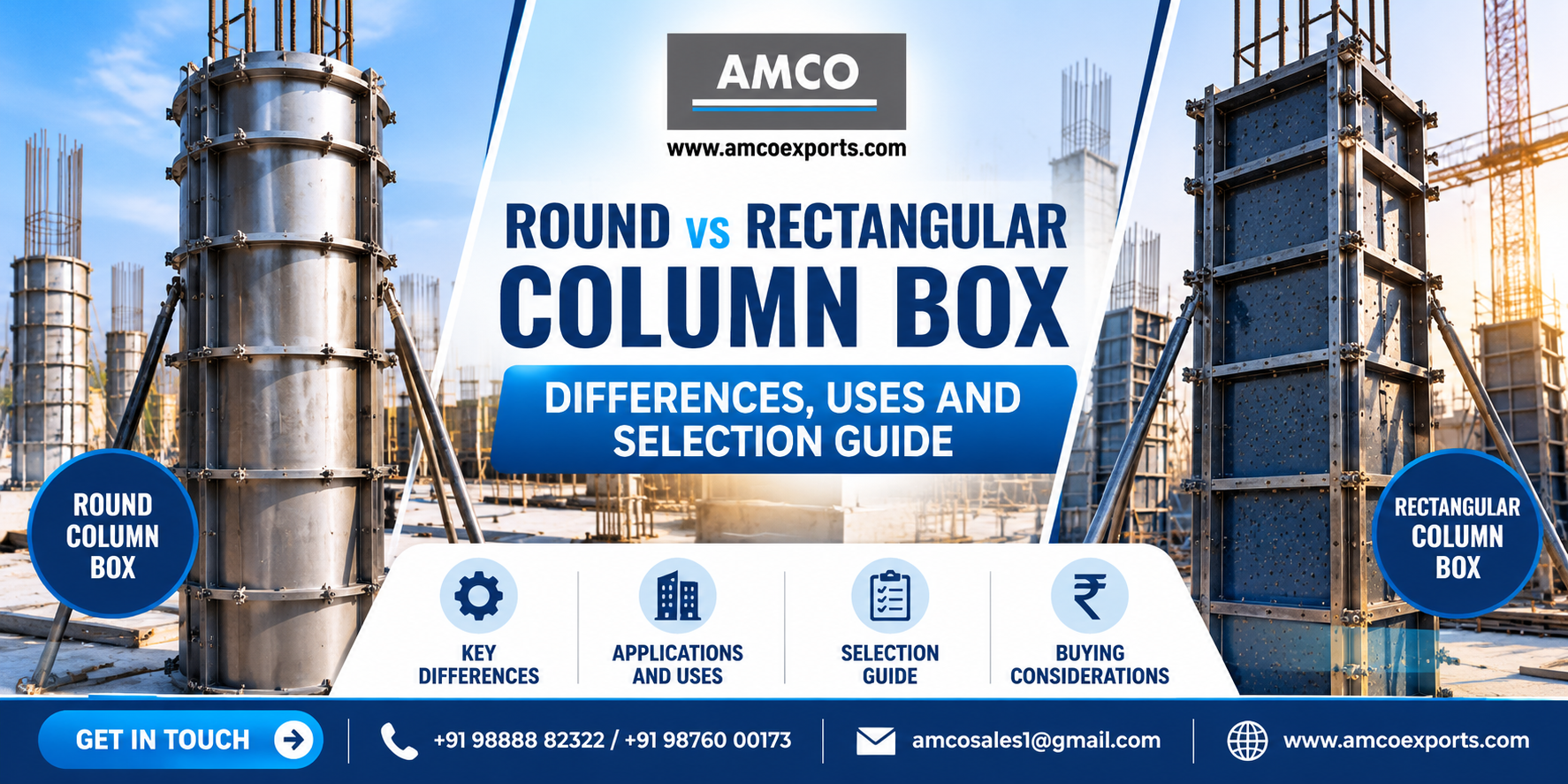
What Is a Column Box in Construction?
A column box is a formwork arrangement used to create the required shape and dimensions of a concrete column. It provides a temporary enclosure that holds fresh concrete in position during placement and until the concrete has gained sufficient strength according to the project requirements.
Column formwork may be manufactured or assembled using different materials and systems, depending on the project specification, column geometry, construction method and expected number of reuses.
Two common column shapes encountered in construction are circular and rectangular. Their formwork arrangements differ in geometry, assembly and practical application.
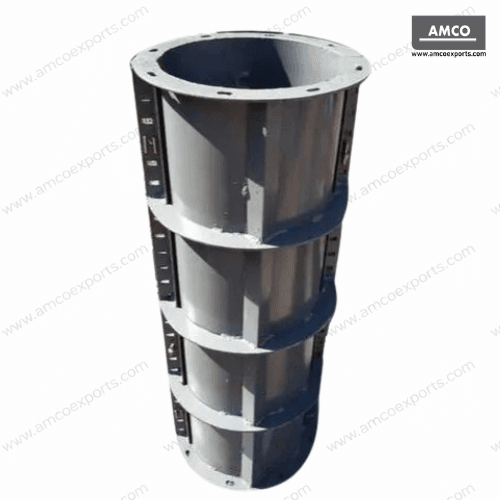
What Is a Round Column Box?
A round column box is a formwork arrangement designed to produce a circular concrete column. It is generally selected when the architectural or structural drawings specify a round column.
Circular columns are commonly considered for projects where a curved appearance, architectural design or specific structural arrangement requires a circular section.
Common Applications of Round Column Formwork
- Building entrances and architectural features.
- Commercial and institutional buildings.
- Parking structures and selected infrastructure projects.
- Columns designed with circular cross-sections.
- Projects requiring a consistent curved concrete finish.
The required diameter, height, formwork arrangement and support details should be determined from the approved project drawings and formwork design.
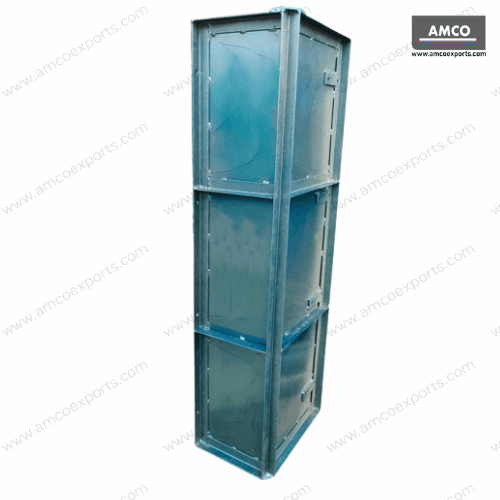
What Is a Rectangular Column Box?
A rectangular column box is a formwork arrangement designed to create a rectangular concrete column. It is used where the approved drawings specify rectangular column dimensions.
Rectangular columns are widely used in building construction because their geometry can be coordinated with walls, beams, floor layouts and other building elements.
Common Applications of Rectangular Column Formwork
- Residential building construction.
- Commercial buildings and office structures.
- Industrial buildings and facilities.
- Building frames with rectangular column layouts.
- Projects where column dimensions are specified by structural drawings.
The formwork must be selected and assembled to match the specified column width, depth and height. Proper alignment, joints, bracing and support are important considerations.
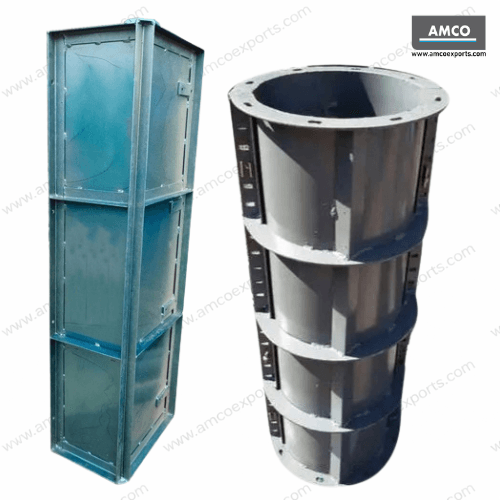
Round vs Rectangular Column Box: Key Differences
Both formwork types are designed to create concrete columns, but their geometry and assembly requirements are different.
| Comparison Factor | Round Column Box | Rectangular Column Box |
|---|---|---|
| Column shape | Circular cross-section | Rectangular cross-section |
| Design requirement | Used when drawings specify a circular column | Used when drawings specify a rectangular column |
| Geometry | Based on the required column diameter | Based on the required width and depth |
| Formwork arrangement | Must create and maintain a circular enclosure | Must create and maintain the specified rectangular enclosure |
| Planning considerations | Diameter, circular alignment, joints and support | Width, depth, corner joints, alignment and support |
| Selection basis | Approved structural and architectural drawings | Approved structural and architectural drawings |
Which Shape of Column Is Stronger?
There is no universal answer to whether a circular or rectangular concrete column is stronger. Structural performance depends on several factors, including:
- Concrete grade and material properties.
- Column dimensions and cross-sectional area.
- Reinforcement arrangement and detailing.
- Applied axial loads and bending moments.
- Column height, slenderness and end conditions.
- Structural design requirements and applicable codes.
A structural engineer must evaluate the complete design before determining the appropriate column shape and reinforcement. The choice of column formwork follows the approved structural design; formwork shape alone does not establish structural strength.
How to Choose the Right Column Box for a Construction Project
Before selecting column formwork, contractors and procurement teams should evaluate the following factors.
1. Column Dimensions
Check the column shape and dimensions specified in the approved drawings. For round columns, confirm the required diameter. For rectangular columns, confirm both width and depth.
2. Formwork Material
Consider the material used in the formwork system, its intended application, durability, handling requirements and suitability for the project.
3. Concrete Pressure and Support Requirements
Fresh concrete applies pressure to the formwork. The formwork, joints, ties, bracing and supporting arrangement must be designed for the anticipated construction conditions and concrete placement method.
4. Surface Finish
Consider the concrete surface finish required by the project. The formwork surface, joint quality, assembly and release-agent procedure can influence the finished concrete appearance.
5. Reusability and Maintenance
For projects involving multiple columns, contractors may evaluate the expected number of uses, cleaning requirements, storage conditions, maintenance and repair arrangements.
6. Handling and Installation
Consider how the formwork will be transported, assembled, aligned, supported and dismantled at the construction site. The selected system should suit the project’s working conditions and installation procedure.
What Factors Affect Column Box Prices?
Column box prices can vary depending on the product specification and manufacturing requirements. Buyers should consider more than the initial quoted price.
- Shape and dimensions: Circular and rectangular formwork arrangements have different manufacturing and assembly requirements.
- Material: The material grade, thickness and construction affect the product specification.
- Design complexity: Special dimensions and customised configurations may affect fabrication requirements.
- Quantity: Order volume can influence manufacturing and commercial terms.
- Surface finish: Finishing requirements can affect the final quotation.
- Transportation: Packaging, dispatch location and delivery destination influence the landed cost.
For an accurate quotation, buyers should share the required shape, dimensions, quantity, technical drawings and delivery location with the manufacturer.
Common Mistakes to Avoid When Selecting Column Formwork
- Selecting formwork without checking approved structural drawings.
- Confusing column dimensions with formwork panel dimensions.
- Ignoring concrete pressure and support requirements.
- Overlooking joint sealing and alignment.
- Choosing a product only on the basis of initial price.
- Not checking installation, dismantling and maintenance requirements.
Proper planning and coordination between the structural engineer, contractor, formwork supplier and site team help reduce avoidable problems during concrete work.
Frequently Asked Questions About Column Boxes
1. What Is the Difference Between a Round and Rectangular Column Box?
A round column box creates a circular concrete column, while a rectangular column box creates a rectangular concrete column. The choice depends on the shape and dimensions specified in the approved project drawings.
2. Which Is Better, a Round or Rectangular Column Box?
Neither is universally better. Round formwork is suitable for specified circular columns, while rectangular formwork is suitable for specified rectangular columns. Project drawings, engineering requirements and site conditions determine the appropriate choice.
3. What Sizes Are Available for Column Boxes?
Column box sizes depend on the manufacturer, formwork system and project requirements. Buyers should provide the required diameter or width and depth, height and other relevant specifications when requesting a quotation.
4. What Is the Price of a Column Box?
Column box prices depend on dimensions, material, thickness, design, finish, quantity and delivery requirements. An accurate price requires a confirmed product specification and quotation.
5. Can Column Boxes Be Reused?
Reusability depends on the formwork material, construction quality, handling, cleaning, maintenance and manufacturer’s instructions. Inspect the formwork before each use and follow the approved reuse procedure.
6. What Information Should I Provide When Requesting a Column Box Quotation?
Share the column shape, dimensions, required quantity, material or design specification, finish requirements, drawings if available and delivery destination. These details help the supplier assess the requirement and prepare a more relevant quotation.
Conclusion: Select Column Formwork According to Project Requirements
Round and rectangular column boxes serve different formwork requirements. A round column box is designed for circular columns, while a rectangular column box is designed for rectangular columns.
The right selection begins with approved project drawings and a clear understanding of column dimensions, formwork material, concrete pressure, support requirements and site conditions.
For contractors and procurement teams, comparing specifications before placing an order is an important step towards planning concrete column work effectively.
Discuss Your Formwork Requirements with AMCO Exports
Looking for scaffolding, formwork or construction hardware for your next project? Contact AMCO Exports to discuss your product requirements, specifications and bulk enquiries.
AMCO Exports
Scaffolding & Formwork Manufacturer and Exporter
74, Grand Trunk Road, Transport Nagar,
Jalandhar, Punjab – 144012, India
Phone: +91 98888 82322
Email: amcosales1@gmail.com
Website: www.amcoexports.com
AMCO Exports — Trusted by Contractors. Built by AMCO.