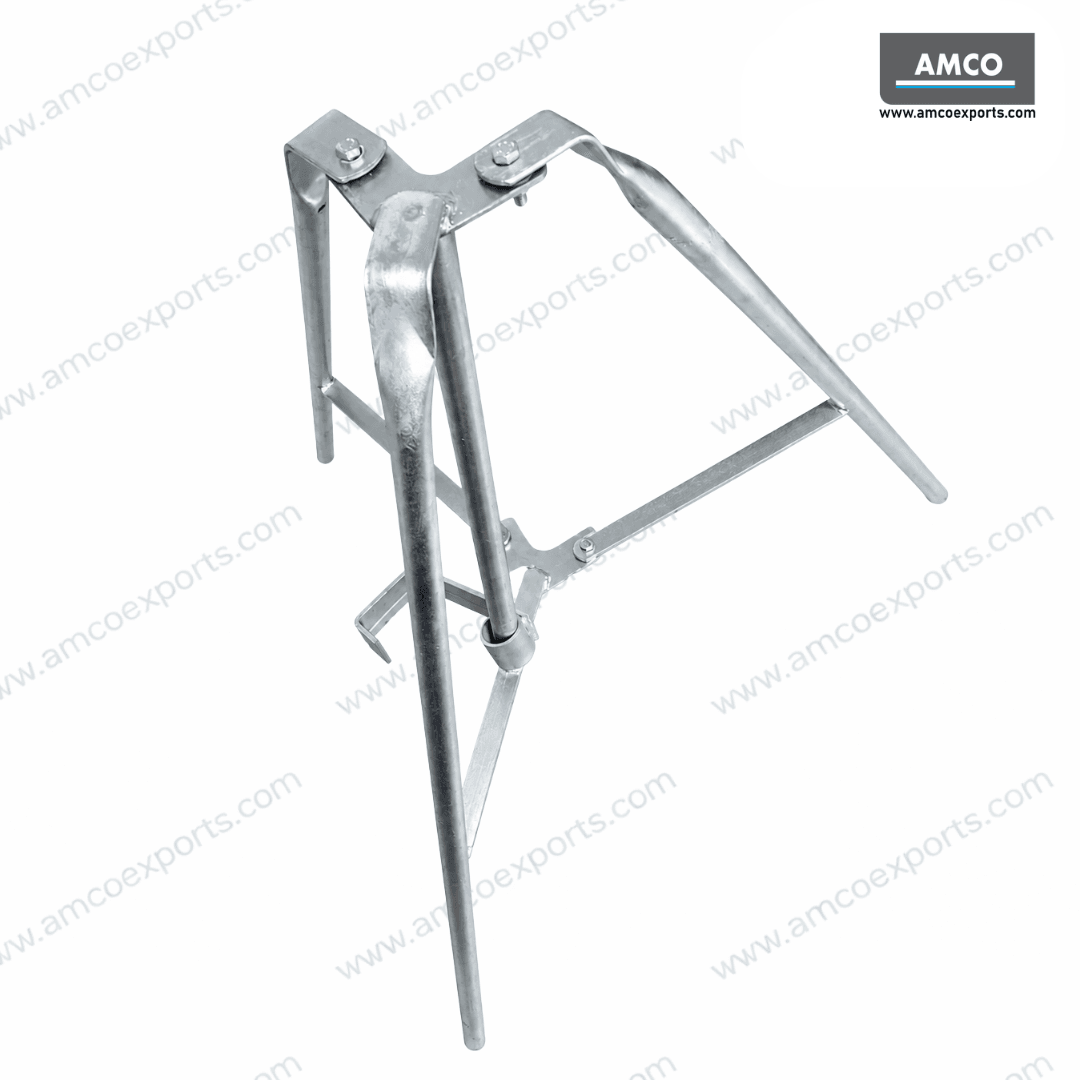
A construction tripod is an essential support component used in slab formwork and shuttering systems to stabilize adjustable steel props and improve safety during construction operations. While components like steel props and formwork panels often receive most of the attention, the GI Scaffolding Tripod plays an equally important role in maintaining stability, alignment, and efficiency on construction sites.
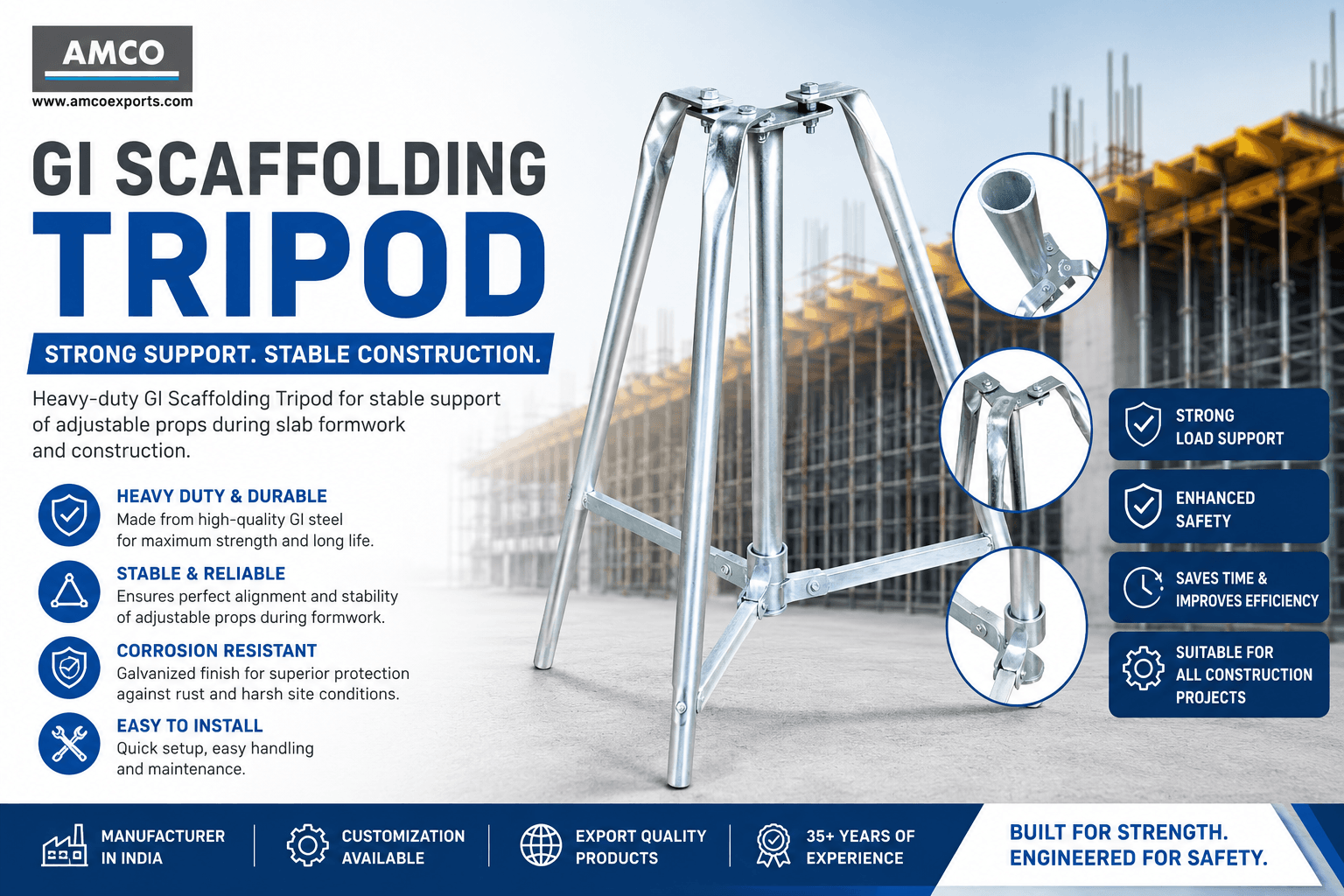
A quality scaffolding tripod keeps adjustable steel props upright, minimizes movement during installation, and helps workers erect formwork systems safely and efficiently. Choosing the right tripod can improve productivity, reduce equipment failures, and lower long-term maintenance costs.
What is a GI Scaffolding Tripod?
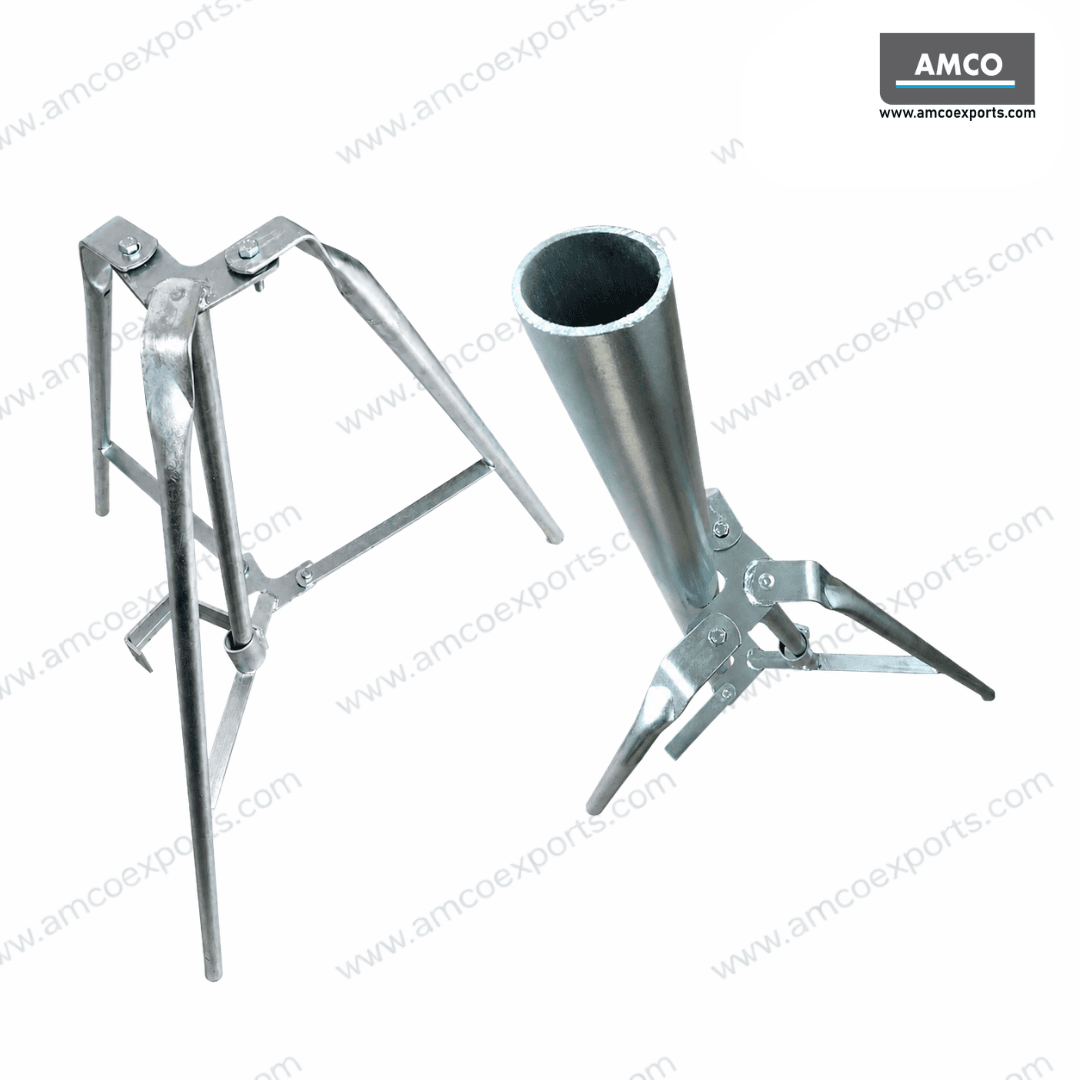
A GI Scaffolding Tripod is a three-legged galvanized steel support designed to hold adjustable steel props in an upright position during slab formwork installation. It provides temporary stability until the complete formwork system becomes self-supporting.
GI Scaffolding Tripods are widely used in:
- Residential Building Construction
- Commercial Complexes
- Industrial Projects
- Bridges and Flyovers
- Infrastructure Developments
- Metro and Tunnel Projects
- High-Rise Construction Projects
Why is a Construction Tripod Important?
On active construction sites, workers frequently install and reposition adjustable steel props. Without proper support, props can tilt or shift during installation, creating safety risks and affecting slab alignment.
A high-quality GI Scaffolding Tripod helps:
- Keep adjustable steel props perfectly vertical
- Improve worker safety during erection
- Reduce accidental displacement of props
- Maintain slab formwork alignment
- Speed up installation and dismantling activities
- Improve overall construction productivity
Key Features to Consider Before Buying a GI Scaffolding Tripod
1. Material and Corrosion Resistance
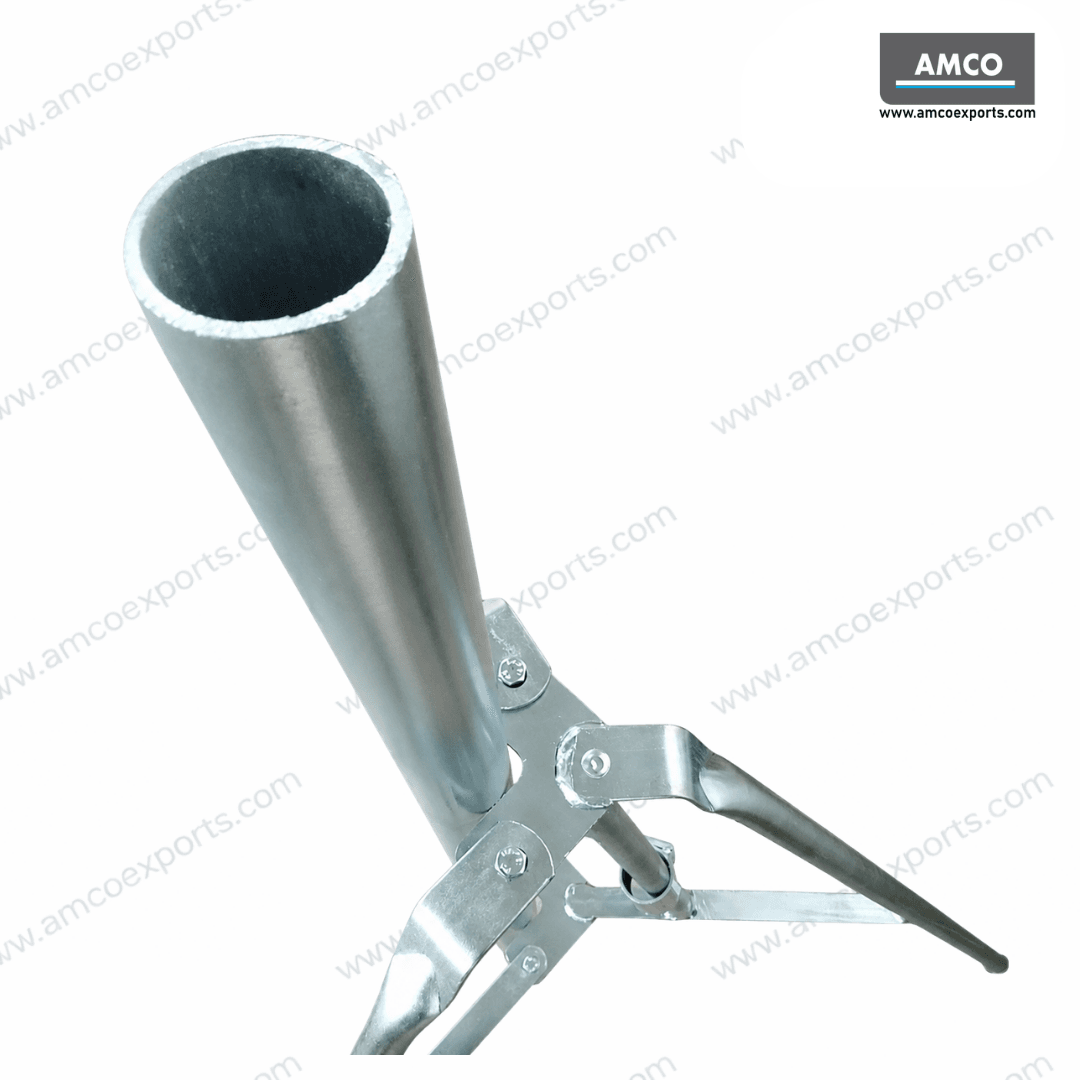
Construction equipment regularly faces moisture, dust, cement slurry, and varying weather conditions. Galvanized Iron (GI) tripods provide excellent corrosion resistance, longer service life, and lower maintenance costs.
Benefits of galvanized tripods include:
- Excellent corrosion resistance
- Longer service life
- Reduced maintenance expenses
- Superior outdoor performance
- Better durability for repeated usage
2. Stability and Leg Design
A tripod’s performance depends significantly on its leg design and structural strength. Look for:
- Heavy-duty leg construction
- Stable three-leg geometry
- Strong welded joints
- Proper leg spread
- Robust connectors and brackets
A stable tripod minimizes movement and keeps adjustable steel props securely positioned during slab casting operations.
3. Compatibility with Adjustable Steel Props
Before purchasing, ensure the tripod is compatible with:
- Prop tube diameter
- Prop height range
- Existing shuttering systems
- Project-specific requirements
Proper compatibility makes installation easier and significantly reduces setup time on site.
4. Load-Bearing Strength
Heavy-duty projects demand reliable equipment. A good GI Scaffolding Tripod should withstand repeated use, rough site handling, and demanding project conditions while maintaining stability throughout multiple construction cycles.
5. Ease of Installation and Handling
Time is money on every construction site. Easy-to-handle tripods save valuable time during slab formwork erection and dismantling, allowing contractors to complete projects more efficiently.
Construction Tripod vs Other Tripod Materials
| Feature | GI Steel Tripod | Aluminum Tripod | Wooden Tripod |
|---|---|---|---|
| Strength | ★★★★★ Excellent | ★★★ Moderate | ★★★★ Good |
| Corrosion Resistance | ★★★★★ Excellent | ★★★★★ Excellent | ★★★ Moderate |
| Stability | ★★★★★ High | ★★★ Moderate | ★★★★ High |
| Maintenance | ★★★★★ Low | ★★★★★ Low | ★★ Moderate |
| Cost Efficiency | ★★★★★ Best Value | ★★★ Higher Cost | ★★ Higher Cost |
For slab formwork applications, GI Scaffolding Tripods offer the ideal balance of strength, durability, corrosion resistance, and long-term cost efficiency.