
This Dowel Bar Guide in Construction explains everything you need to know about dowel bars, including their uses, sizes, specifications, design calculations, and applications in concrete slabs and pavements. Concrete roads, industrial floors, airport runways, and warehouse slabs are exposed to heavy traffic and repeated loading every day, making proper load transfer at joints essential for long-term performance. For heavy-duty applications, you can also explore our 38×500 mm Smooth Steel Dowel Bars, widely used in highways, industrial flooring, and airport pavement projects.
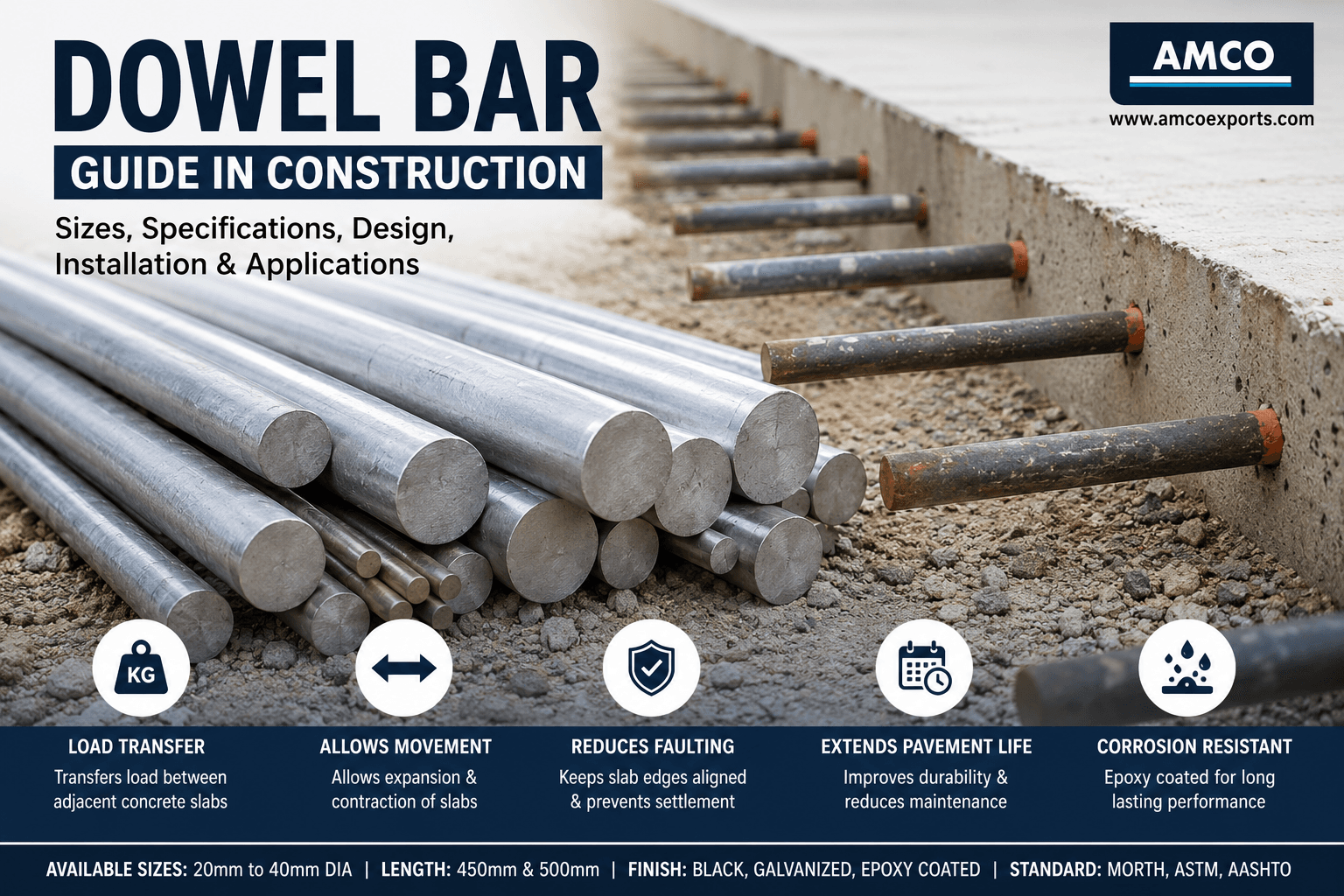
Dowel bars are smooth steel bars installed across concrete joints to transfer loads from one slab to another while allowing controlled horizontal movement caused by expansion and contraction. Properly designed dowel bars improve load transfer efficiency, reduce maintenance costs, and significantly increase the service life of concrete pavements.
What is a Dowel Bar in Construction?
A dowel bar is a smooth, round steel bar installed across joints in adjacent concrete slabs to transfer loads while allowing controlled horizontal movement caused by expansion and contraction. Dowel bars help maintain slab alignment, reduce differential settlement, and improve the durability of concrete pavements.
Unlike reinforcement bars that hold concrete together, dowel bars primarily act as load-transfer devices. They are commonly used in highways, industrial flooring, airport runways, warehouse floors, and other heavy-duty concrete applications where joints experience repeated traffic loads.
For heavy-duty projects, you can also explore our 38×500 mm Smooth Steel Dowel Bars , manufactured by AMCO Exports for superior load transfer and long service life.
Common Applications of Dowel Bars
- Concrete Roads and Highways
- Industrial Flooring and Warehouses
- Airport Runways and Taxiways
- Container Yards and Port Infrastructure
- Parking Areas and Heavy-Duty Pavements
- Large Concrete Slabs and Expansion Joints
What Are Dowel Bars Used For?
This is one of the most common questions asked by contractors, civil engineers, and project procurement teams.
1. Load Transfer Between Slabs
When heavy vehicles such as trucks, forklifts, or aircraft move across concrete joints, one slab can settle slightly under the load.
Dowel bars bridge the gap between slabs and distribute loads evenly.
- Reduces edge stress
- Prevents slab settlement
- Improves pavement performance
- Increases load transfer efficiency
- Reduces maintenance requirements
2. Allow Expansion and Contraction
Concrete expands during hot weather and contracts during cooler temperatures. Dowel bars allow slabs to move horizontally without locking the joint.
- Reduces internal stresses
- Minimizes random cracking
- Prevents joint failures
- Reduces concrete spalling
3. Reduce Joint Faulting
Joint faulting occurs when one slab becomes lower than the adjacent slab. Properly installed dowel bars maintain slab alignment and reduce differential settlement.
- Smoother riding surface
- Better structural performance
- Lower maintenance cost
- Longer pavement life
4. Extend Pavement Life
Proper load transfer reduces stress concentrations inside concrete slabs. Studies have shown that dowel bars significantly improve the fatigue life of concrete pavements.
- Longer service life
- Fewer repairs
- Reduced lifecycle costs
- Improved structural durability
A complete Dowel Bar Guide in Construction should cover practical applications in highways, industrial floors, airports, and heavy-duty pavements.
Dowel Bar Guide in Construction: Common Applications
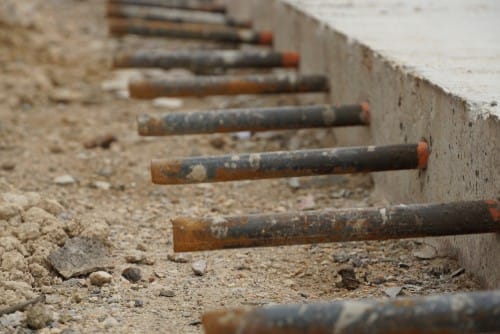
Concrete Roads & Highways
Dowel bars transfer wheel loads between adjacent concrete slabs and prevent faulting in highways and rigid pavements.
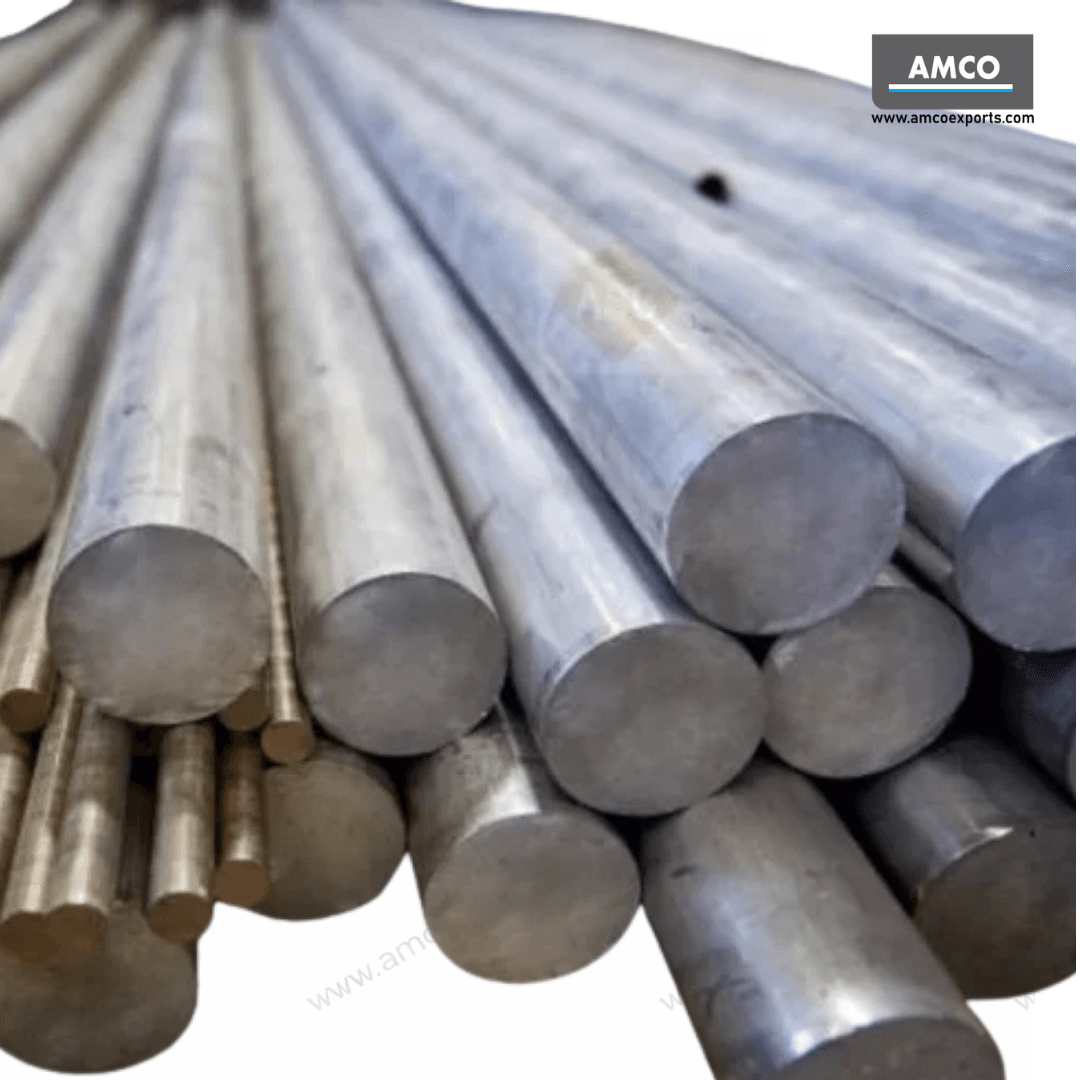
Industrial Flooring
Widely used in factories, warehouses, and logistics hubs where floors experience heavy forklift and container movement.
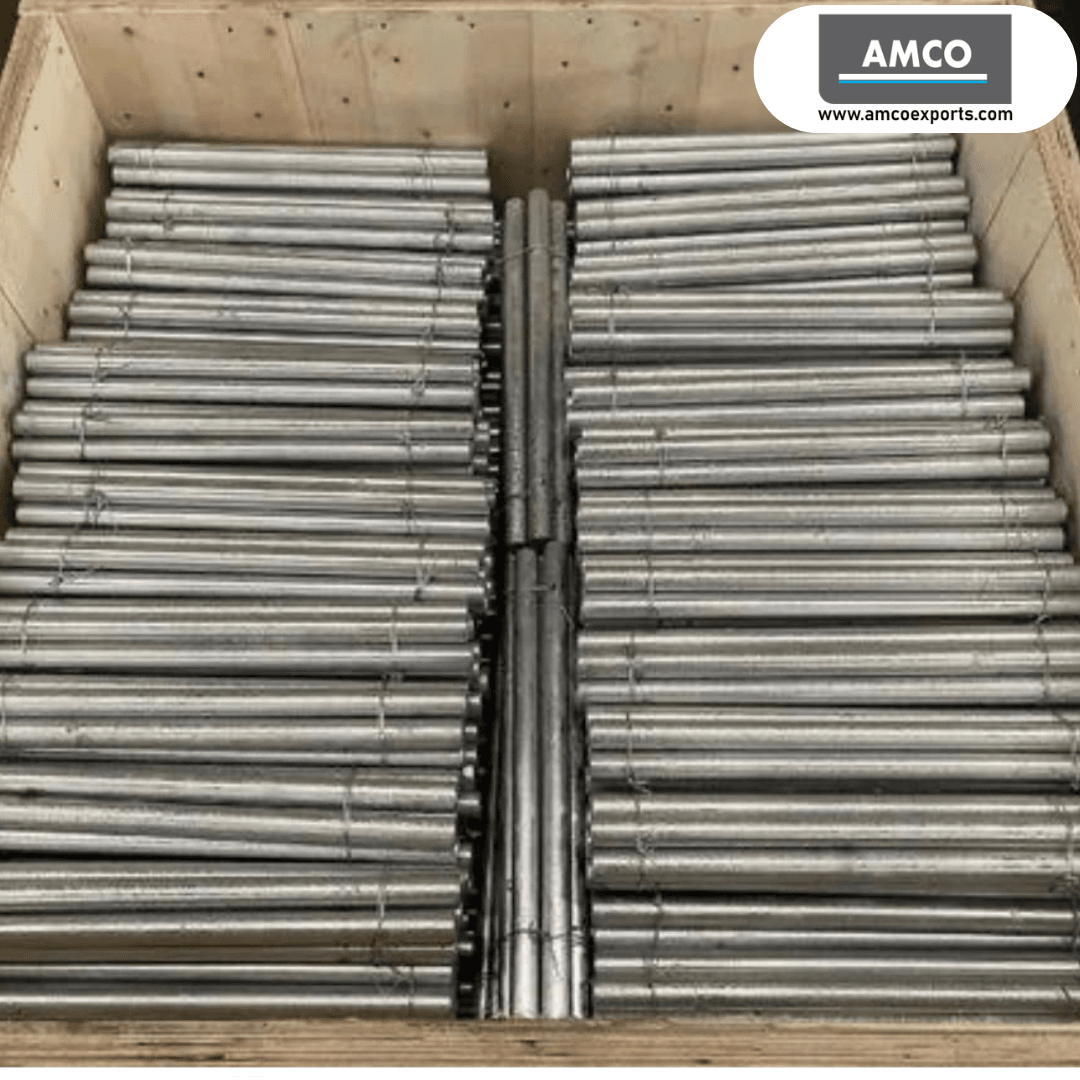
Airport Runways & Infrastructure Projects
Suitable for airport pavements, ports, container yards, and heavy-duty infrastructure projects requiring high load transfer efficiency.
Dowel Bars in Slab Construction and Concrete Pavements
Dowel bars are primarily used in transverse joints of concrete slabs.
- Concrete Roads
- Industrial Floors
- Airport Pavements
- Warehouse Flooring
- Port Infrastructure
- Heavy Traffic Pavements
Standard Placement
- Installed at mid-depth of slab
- Positioned perpendicular to the joint
- Embedded equally on both sides
- One end debonded to allow movement
Dowel Bars in Column Construction
In RCC construction, dowel bars are commonly called starter bars. These bars provide reinforcement continuity between structural members.
- Footing to Column
- Column to Upper Column
- Beam-Column Connections
- Shear Walls
Functions of Column Dowel Bars
- Transfer loads safely
- Maintain reinforcement continuity
- Prevent reinforcement slippage
- Improve structural integrity
One of the most important sections of this Dowel Bar Guide in Construction is understanding standard sizes, spacing, and specifications for different slab thicknesses.
Dowel Bar Sizes and Specifications in Construction
| Parameter | Specification |
|---|---|
| Material | Smooth Round Mild Steel |
| Diameter | 20 mm to 40 mm |
| Length | 450 mm to 500 mm |
| Spacing | 300 mm Center to Center |
| Finish | Black, Galvanized, Epoxy Coated |
| Standards | MORTH, ASTM, AASHTO |
Dowel Bar Sizes Chart
| Slab Thickness | Diameter | Length | Spacing |
|---|---|---|---|
| 150 mm | 20 mm | 450 mm | 300 mm |
| 200 mm | 25 mm | 450 mm | 300 mm |
| 250 mm | 32 mm | 450 mm | 300 mm |
| 300 mm | 38 mm | 500 mm | 300 mm |
This Dowel Bar Guide in Construction also includes a simple design example to help engineers select suitable dowel bar dimensions for heavy-duty concrete pavements.
Dowel Bar Design Example for Concrete Pavement Construction
Given:
- Slab Thickness = 300 mm
- Traffic = Heavy Vehicles
- Joint Spacing = 4.5 m
Diameter = 300 ÷ 8 = 38 mm
Recommended Length = 500 mm
Recommended Spacing = 300 mm center-to-center
- Diameter: 38 mm
- Length: 500 mm
- Spacing: 300 mm c/c
- Finish: Epoxy Coated Smooth Steel
Case Study: Industrial Warehouse Flooring Project
Project: Warehouse Flooring – India
Slab Thickness: 300 mm
Traffic: Heavy Forklift & Container Movement
The client experienced frequent joint cracking and slab settlement. AMCO Exports supplied 38 × 500 mm smooth steel dowel bars installed at 300 mm spacing.
Results
- Improved load transfer
- Reduced joint cracking
- Better floor performance
- Lower maintenance costs
- Increased pavement life
38×500 mm Smooth Steel Dowel Bars
✔ Diameter: 38 mm
✔ Length: 500 mm
✔ Finish: Black, Galvanized & Epoxy Coated
✔ Suitable for Highways, Industrial Floors & Airport Pavements
Frequently Asked Questions
What is a dowel bar used for?
Dowel bars transfer loads between adjacent concrete slabs while allowing expansion and contraction movement.
What is the purpose of a dowel?
The main purpose of a dowel is to improve load transfer and increase pavement life.
What is a dowel bar in a column?
In RCC columns, dowel bars act as starter bars that provide reinforcement continuity.
Do dowel bars prevent cracking?
They cannot stop all cracks but significantly reduce joint cracking and differential settlement.
Which size dowel bar is used in a 300 mm slab?
A 38 mm diameter and 500 mm long smooth steel dowel bar is commonly used for heavy-duty concrete pavements and industrial floors.
Request a Free Quote
Looking for premium-quality smooth steel dowel bars for roads, industrial flooring, airports, and infrastructure projects?
📞 +91-988882322
📧 amcosales1@gmail.com
Stay Connected with AMCO Exports
Stay connected for product updates, new construction solutions, industry insights, and the latest developments in scaffolding, formwork, and concrete construction products.