
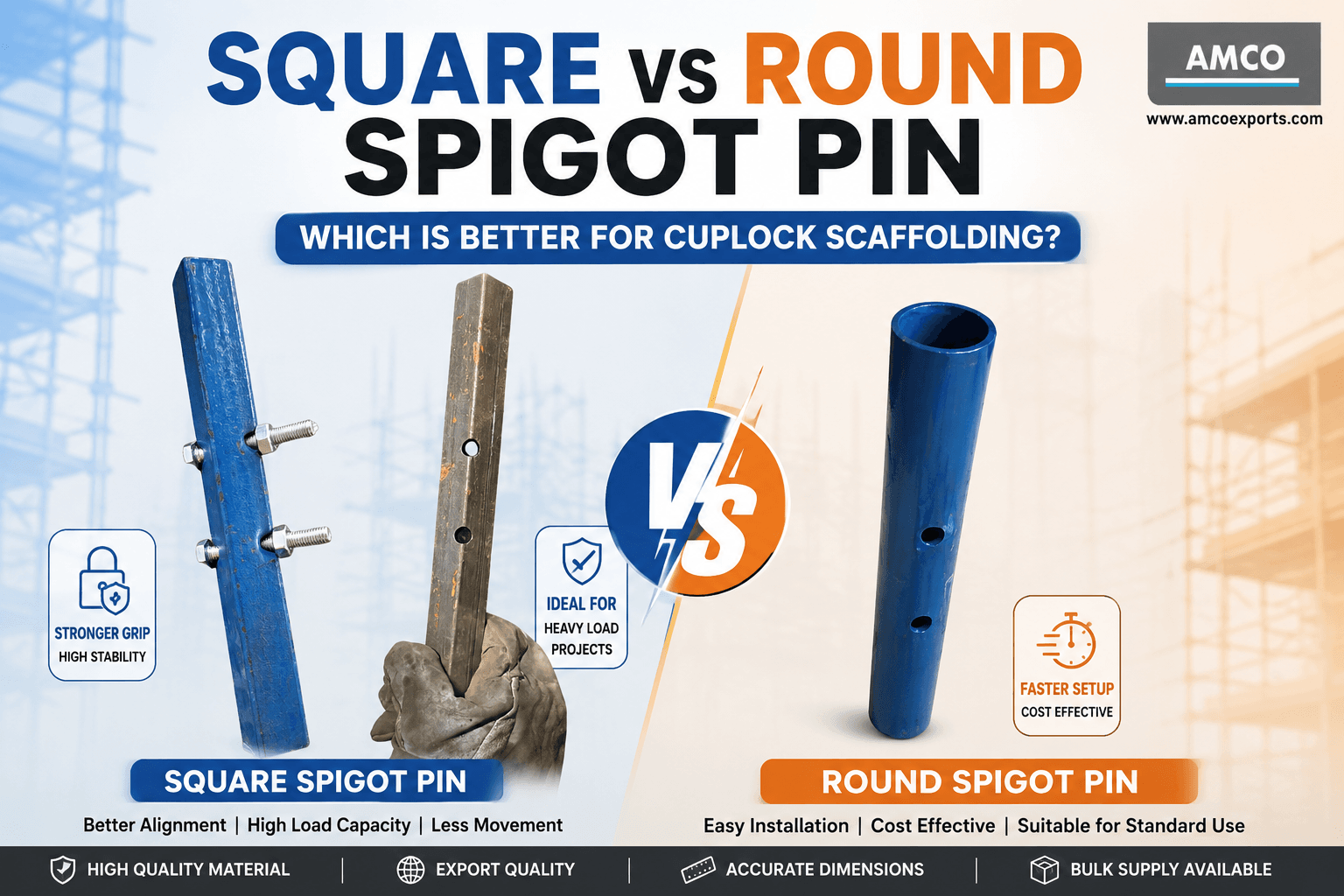
A Cuplock Joint Pin is one of the most important components in a cuplock scaffolding system because it directly affects vertical alignment, scaffold stability, and load transfer during slab casting and construction work.
Choosing the right scaffolding connector pin can reduce movement, improve rigidity, and increase safety on heavy-duty infrastructure projects.
Contractors and site engineers often compare square and round spigot pins based on:
- Project load capacity
- Infrastructure or residential use
- Slab casting pressure
- Scaffolding stability
- Worker handling
What is a Cuplock Joint Pin in Scaffolding?
A scaffolding spigot connector joins vertical standards and helps maintain alignment while safely transferring vertical load during construction work.
- Improves vertical alignment
- Reduces scaffold movement
- Supports load transfer
- Increases scaffold stability
Round spigot pin used for standard scaffolding applications.
View Product: Round Spigot Pin for Cuplock Scaffolding
Round Cuplock Joint Pin: Advantages and Applications
Round spigot pin systems are commonly used in standard scaffolding because they are economical and easy to install.
Advantages of Round Spigot Pins
- Fast installation
- Easy replacement availability
- Economical for rental scaffolding
- Suitable for medium-load applications
Best Used For
- Residential projects
- Commercial construction
- Rental scaffolding systems
- Medium slab casting work
Square Cuplock Joint Pin: Advantages and Applications
Square spigot pin systems provide tighter alignment and reduced rotational movement between vertical standards.
Many infrastructure contractors now prefer square spigot pins because they improve scaffold rigidity and reduce alignment correction during vibration work.
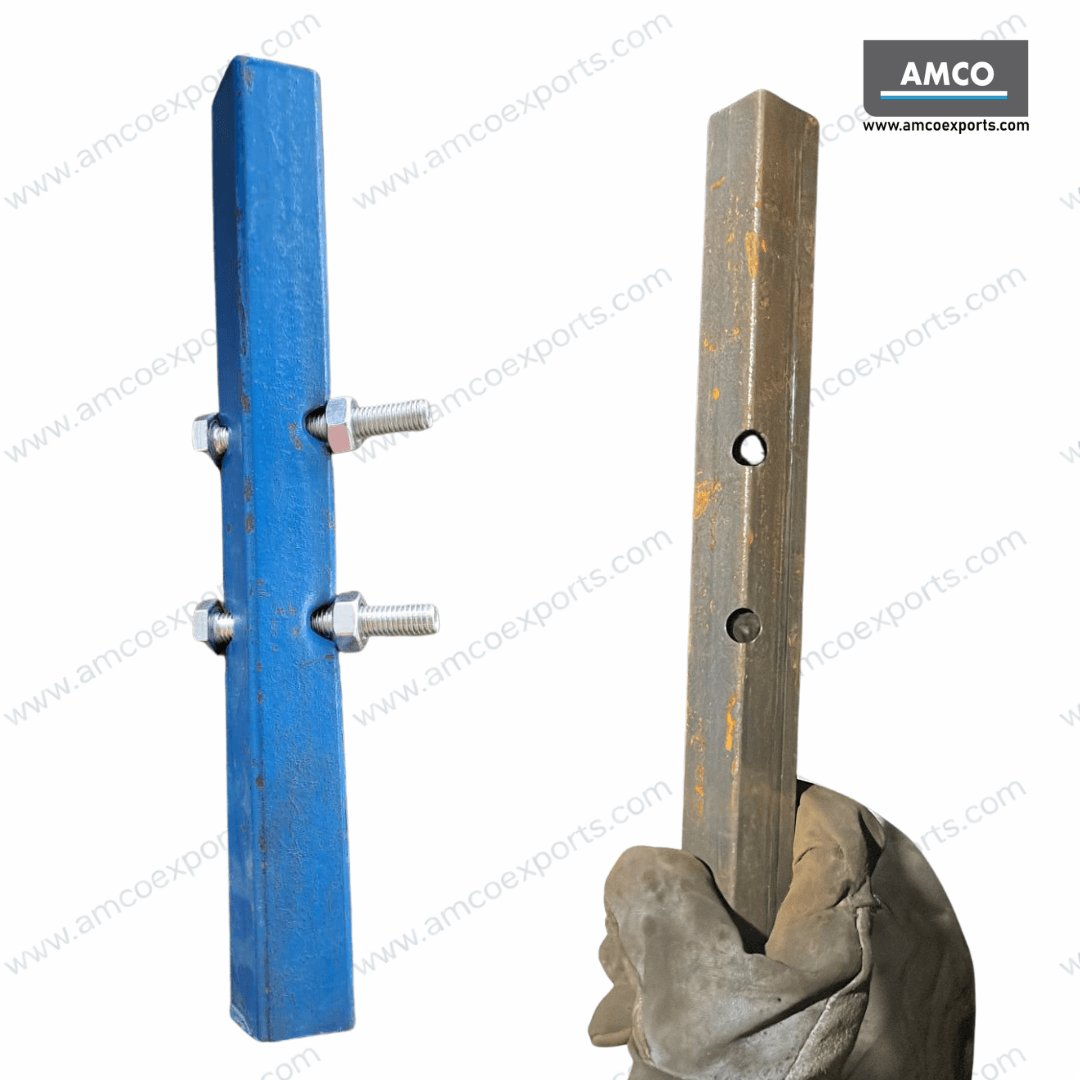
Heavy-duty square spigot pin for slab casting and infrastructure projects.
Advantages of Square Spigot Pins
- Better alignment stability
- Reduced rotational movement
- Higher load-bearing capacity
- Better vibration performance
Best Used For
- Infrastructure projects
- Bridge construction
- Industrial scaffolding
- Heavy slab casting
Square vs Round Cuplock Joint Pin Comparison
| Feature | Square Spigot Pin | Round Spigot Pin |
|---|---|---|
| Alignment Stability | High | Medium |
| Movement Resistance | Excellent | Moderate |
| Load Capacity | Heavy Duty | Standard |
| Installation Speed | Moderate | Fast |
| Infrastructure Usage | Preferred | Limited |
| Cost | Slightly Higher | Economical |
Real Contractor Experience from Site
Case Study — Metro Infrastructure Project
A contractor working on a metro support project initially used round spigot pins because they were cheaper and easily available.
During slab casting, alignment movement increased and workers repeatedly adjusted standards.
The contractor later switched to square spigot pin systems for better alignment stability.
Result:
- Better vertical locking
- Reduced movement
- Improved scaffold stability
- Faster inspection approval
“The scaffold became noticeably more stable during concrete pouring.”
Technical Specifications of 38mm Cuplock Joint Pin
| Parameter | Specification |
|---|---|
| Product Type | Spigot Pin / Joint Pin |
| Outer Diameter | 38mm |
| Tube Compatibility | 48.3mm Scaffold Tubes |
| Length Options | 150mm, 200mm, 225mm, 250mm, 300mm |
| Material | Mild Steel / High-Strength Steel |
| Finish | Painted / Zinc Plated / HDG |
| Application | Vertical Scaffolding Connection |
Technical Specifications of Square Cuplock Joint Pin 300mm
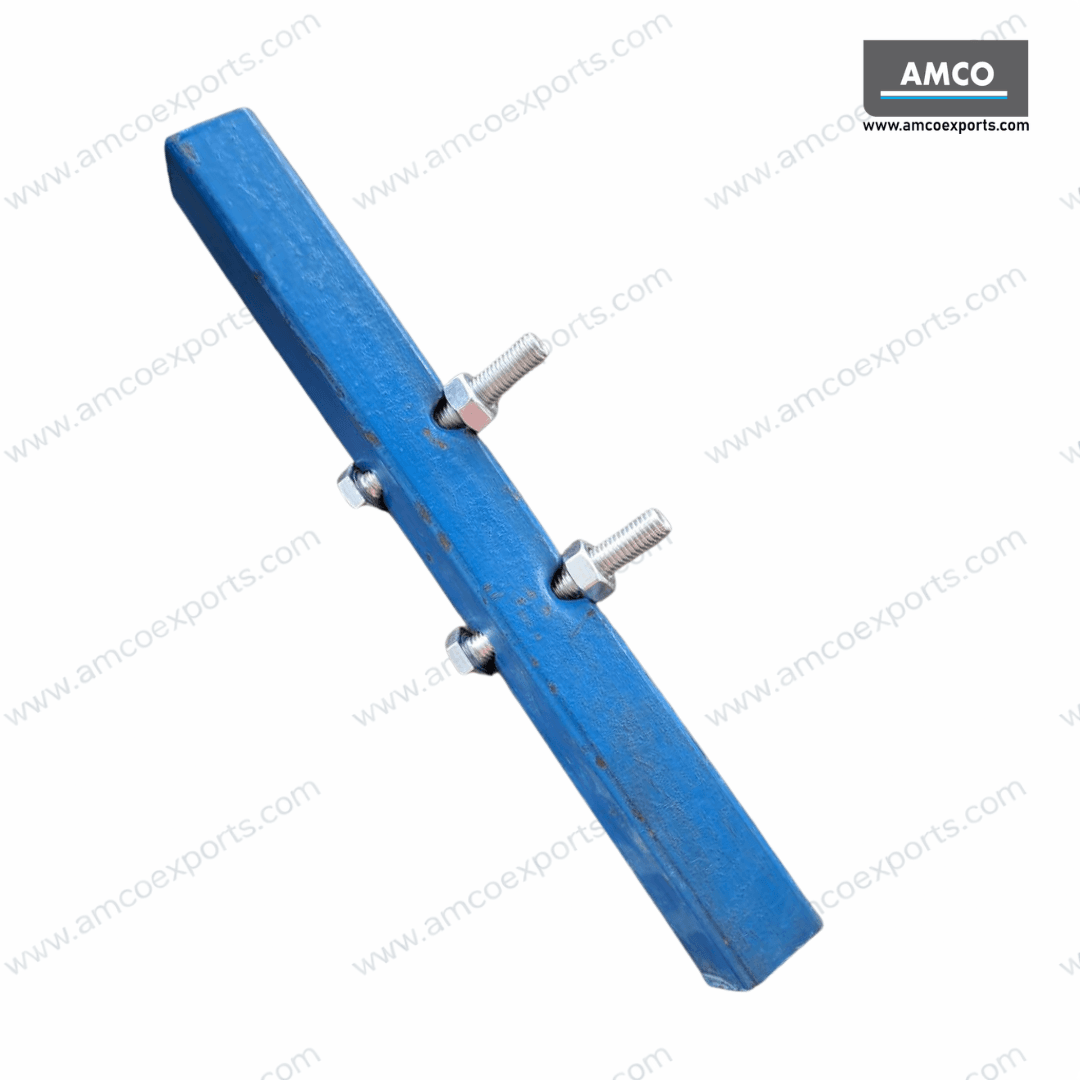
Square spigot pin 300mm used in heavy-duty scaffolding systems.
| Specification | Details |
|---|---|
| Product Type | Square Spigot Pin / Connector |
| Application | Vertical Standard Joint |
| Material | Mild Steel (MS) |
| Thickness | 2 mm |
| Length | 300 mm |
| Shape | Square |
| Locking System | Nut & Bolt |
| Hole Type | Pre-Drilled |
| Finish | Painted / Galvanized |
| Compatibility | Standard Cuplock Scaffolding Systems |
View Product: Square Spigot Pin 300mm
How to Choose the Right Cuplock Joint Pin Supplier
Before purchasing a scaffolding spigot connector, contractors should compare:
- Material thickness
- Weight consistency
- Welding quality
- Load-bearing capability
- Surface finishing
- Compatibility with 48.3mm scaffold tubes
Explore our:
Frequently Asked Questions About Cuplock Joint Pin
Industry Safety and Scaffolding Resources
- OSHA Scaffolding Safety Guidelines
- Scaffolding System Information
- International Organization for Standardization
Stay Connected with AMCO Exports
Need Bulk Quantity Cuplock Joint Pins?
AMCO Exports supplies square and round spigot pins for:
- Infrastructure projects
- Industrial construction
- Bridge projects
- Heavy slab casting work
- Export requirements
Call:
+91 98888 82322
Email:
amcosales1@gmail.com
Website:
www.amcoexports.com