
DW15 Tie Rod Load Capacity Explained (Formwork Guide)
The DW15 tie rod is one of the most widely used systems in formwork due to its high load capacity and durability. Understanding how much load it can handle is critical for safe and efficient construction.
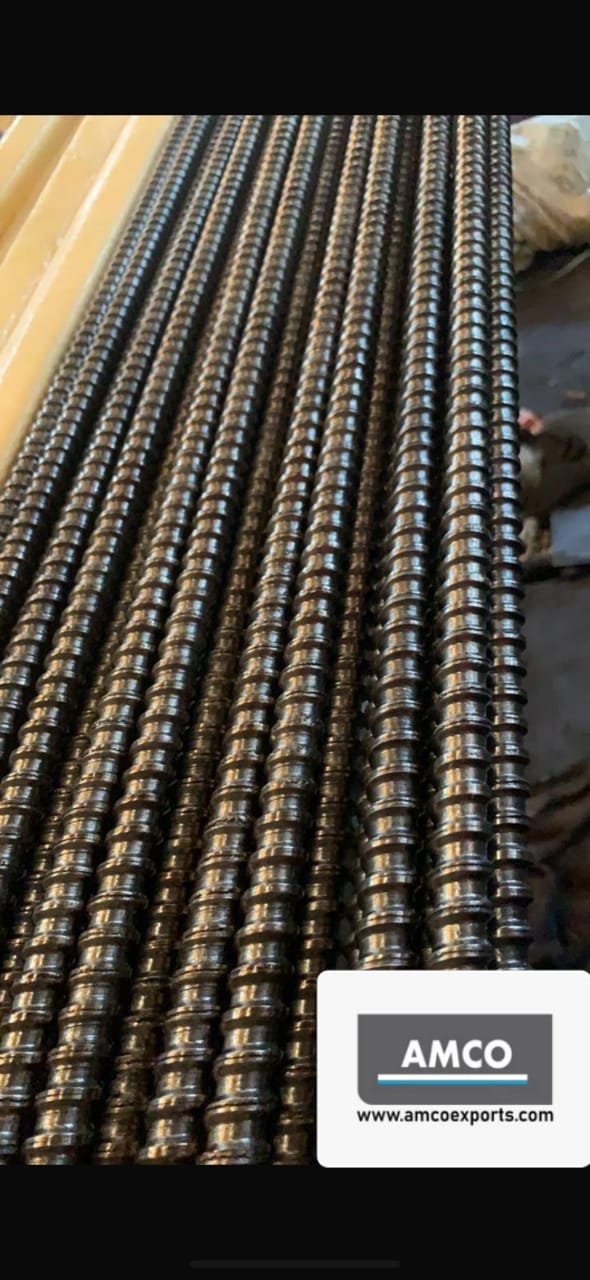
🔧 What is DW15 Tie Rod?
DW15 refers to a standardized tie rod system commonly used in wall formwork. It offers superior strength, accurate threading, and better reusability compared to conventional tie rods. This system is widely used in high-pressure concrete applications where safety and alignment are critical.
📊 DW15 Load Explained (80–90 kN)
- Average load capacity: 80–90 kN
- Suitable for: Heavy concrete pressure applications
- Used in: Wall formwork, infrastructure, high-rise construction
The actual load capacity may vary depending on steel grade, thread accuracy, and installation conditions. Proper usage ensures stability and prevents formwork failure during concrete pouring.
⚙️ Why DW15 Load Capacity Matters in Formwork
- High load-bearing strength for heavy-duty projects
- Maintains alignment under pressure
- Reusable across multiple cycles
- Compatible with wing nuts, anchor nuts, and plates
🔗 Follow AMCO Exports
Stay updated with product insights, construction tips, and new launches:
🔗 Related Guides
👉 Complete tie rod in construction guide
👉 DW15 tie rod product specifications
🏭 Manufacturer Supply
AMCO Exports supplies high-strength DW15 tie rods with precision threading and consistent load performance. Designed for durability and safety, these products are trusted by contractors and infrastructure developers across India.
Frequently Asked Questions – DW15 Tie Rod Load Capacity
DW15 tie rods typically have a load capacity of around 80–90 kN, depending on material quality and threading precision.
Yes, DW15 tie rods offer higher strength and better load resistance compared to standard rods, making them ideal for heavy-duty construction.
They are mainly used in wall formwork, high-rise buildings, bridges, and infrastructure projects where high concrete pressure is involved.
Yes, proper installation, alignment, and compatible accessories like wing nuts and anchor plates affect the overall load performance.